
” This post shows these key highlights the importance of metal packaging as a strong, protective, and sustainable solution. With steel and aluminum as the main materials, metal packaging ensures long shelf life, safety, and brand appeal while being one of the most recyclable packaging options worldwide.“
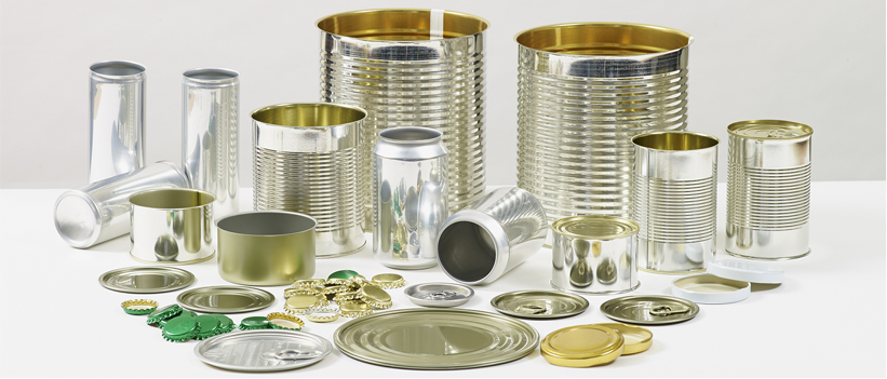
1. Introduction
- Metal packaging (cans, containers, closures) plays a crucial role in protecting food, beverages, cosmetics, and pharmaceuticals.
- Key features: strength, durability, barrier properties, recyclability, and decorative potential.
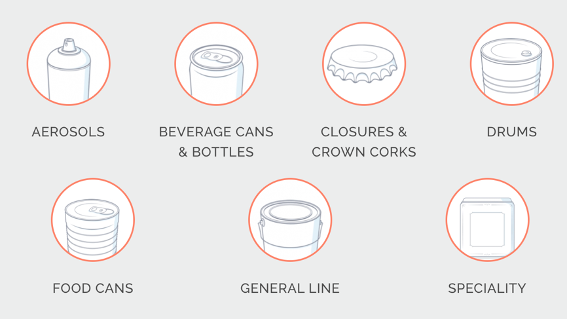
2. Materials used in metal packaging
- Steel (tinplate & tin-free steel): strong, corrosion-resistant, economical.
- Aluminum: lightweight, highly resistant to corrosion, excellent barrier to light, gases, and moisture.
- Coatings and lacquers are often applied to prevent chemical reactions with food.
3. Advantages of Metal Packaging
- Provides an absolute barrier against oxygen, light, moisture, and contaminants.
- High mechanical strength → protects contents during transport and storage.
- Excellent for sterilization and heat processing (e.g., canned foods).
- Fully recyclable, contributing to sustainability.
4. Types of Metal Packaging
- Cans:
- Three-piece cans: cylindrical, made of a body plus two ends.
- Two-piece cans: drawn and wall-ironed (DWI) or drawn and redrawn (DRD). Used widely for beverages.
- Closures:
- Screw caps, crown caps, easy-open ends, and aerosols.
- Specialty packaging: Tubes, trays, and foils for niche products.
5. Manufacturing Processes
- Body-making: rolling, welding, or drawing metal sheets into shape.
- Coating & Lacquering: protective layers applied to prevent corrosion and ensure food safety.
- Printing & Decoration: lithography and coatings provide branding and aesthetics.
- Seaming: attaching can ends by double seaming for airtightness.
6. Food Contact & Preservation
- Internal coatings prevent metal-food interaction (avoiding corrosion, discoloration, or off-flavors).
- Metal cans allow high-temperature sterilization, extending shelf life up to years.
- Resistant to tampering and contamination.
7. Recycling & Sustainability
- Metal packaging is infinitely recyclable without losing quality.
- Recycling aluminum saves ~95% of the energy compared to producing new metal.
- Circular economy: collection, re-melting, and reuse of metal packaging significantly reduce environmental impact.
8. Applications
- Food industry: canned vegetables, meat, fish, dairy, ready meals.
- Beverages: beer, soft drinks, juices (mostly aluminum two-piece cans).
- Non-food: cosmetics, pharmaceuticals, aerosols, paints, household goods.
Find detail content via the article below:
 Lan Pham _ ENG
Leave a comment