
“The paper packaging is an eco-friendly, versatile solution widely used across industries. With developments in coatings and laminates, paper can combine sustainability with functionality, making it central to the future of packaging.”
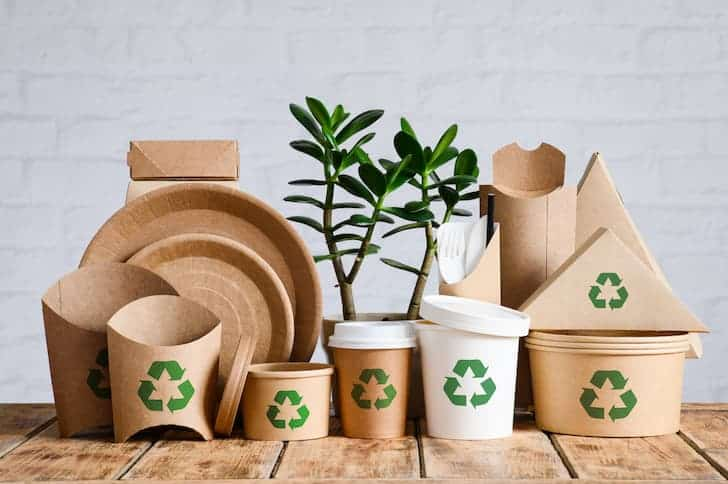
1. Introduction
- Paper is one of the oldest and most versatile packaging materials.
- Used for food, beverages, pharmaceuticals, cosmetics, household goods, and industrial products.
- Benefits: renewable, biodegradable, printable, and recyclable.
2. Raw materials & Properties
- Made mainly from cellulose fibers (wood, recycled paper, agricultural residues).
- Additives (fillers, binders, coatings) improve strength, printability, and barrier properties.
- Properties: low density, lightweight, porous, flexible, but sensitive to moisture.
3. Types of paper packaging materials
- Paperboard: thicker, rigid, used for cartons, boxes, displays.
- Corrugated board: layers of linerboard + fluted medium, used for transport packaging.
- Kraft paper: strong, unbleached, used for sacks, bags, wrapping.
- Specialty papers: greaseproof, parchment, laminated, wax-coated, metallized, silicone-coated.
4. Manufacturing & Conversion
- Paper is produced from pulp, then processed into rolls/sheets.
- Converting operations: cutting, folding, laminating, printing, coating, corrugating.
- Printing techniques: flexography, offset lithography, digital printing.
5. Packaging Forms & Applications
- Primary packaging: cartons, pouches, sachets, wraps.
- Secondary packaging: corrugated cases, trays, multipacks.
- Tertiary packaging: pallets, protective layers for transport.
- Applications: fast food, bakery, dairy, frozen foods, beverages, consumer goods, etc.
6. Functional Improvements
- Paper often combined with plastic, aluminum, or coatings for moisture, grease, and gas barriers. Examples: Tetra Pak cartons, laminated pouches.
- Innovations: water-resistant, heat-sealable, biodegradable coatings.
7. Sustainability & Recycling
- Paper packaging is widely recycled, with high collection rates worldwide.
- Renewable raw material, but sustainability depends on responsible forestry and energy use.
- Recycling reduces waste and supports circular economy, though multilayer composites are harder to recycle.
8. Advantages & Limitations
- Advantages: lightweight, low-cost, renewable, printable, recyclable, consumer-friendly.
- Limitations: low barrier to moisture/oxygen without coatings, limited strength, sensitive to humidity.
Find detail content via the article below:
 Lan Pham _ ENG
Leave a comment